
Heroes
Michigan's Environment is Better Because of These Mostly Forgotten Leaders

(Note: the general election of 2024 will have profound consequences for the environment of Michigan, the U.S. and the world. I have strong feelings about these consequences. But this space is not for political commentary. Maybe I’ll speak my mind somewhere else.)
If any environmental heroes (and non-politicians) on the national scale come to mind, they’re likely to be Rachel Carson or Aldo Leopold.
But they’re not likely to come to mind.
The vast majority of Americans can probably not name a single person who made a national difference in conserving, protecting and restoring our natural heritage, clean air and clean water. And how many could name a single resident of Michigan who did the same?
Yet there are legions of men and women to whom Michigan should be grateful for the quality of environment we enjoy today. People like Charles Garfield, who led the fight to replant Michigan’s forests after the lumber barons stripped them bare; Genevieve Gillette, a lifelong and effective champion for state parks; Joan Wolfe, who founded the West Michigan Environmental Action Council and was instrumental in passage of the Michigan Environmental Protection Act; and the controversial Tom Washington, who is linked to the Michigan bottle deposit law and the Michigan Natural Resources Trust Fund.
What do these and other heroes have in common? Vision, practical knowledge of how to get things done, persistence and, in most cases, a wry sense of humor about themselves and their mistakes along the way. The last makes persistence possible.
Somebody should be teaching Michigan students about these people and how they succeeded against the odds. They might be inspired to carry on the legacy.
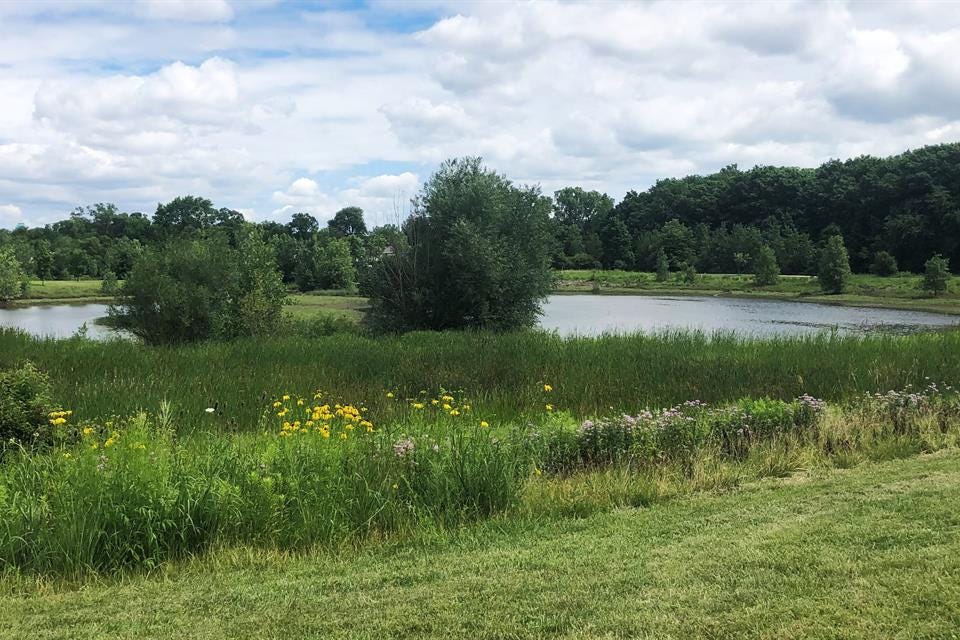
Mary Beth Doyle Park, Ann Arbor
The topic of heroes came to mind when I realized that it was 20 years ago this month that an unforgettable environmental activist, Mary Beth Doyle, lost her life in a car accident, and Michigan lost her gifts.
Rather than recite her accomplishments, I refer you to the long list in her obituary and news accounts. Rather than trying to impress you with claims about her, I refer you to the Ann Arbor park that fittingly bears her name.
I watched Mary Beth organize and challenge polluters with skill, insight, spirit and a sense of humor. Defeat or delay didn’t daunt her; she persisted and often won. Along with her colleagues at the Ecology Center in Ann Arbor, she scored some touchdowns in the effort to reduce the toxics load in Michigan and to protect public health.
The news of someone’s death often knocks the wind out of you, but the news of Mary Beth’s passing knocked me down. It was inconceivable, and still is.
We’re going to need a lot of Mary Beths in the coming years. I know they’re out there. Maybe if they learn her story and those of others, they will be inspired to come forward.
Wonderful column, Dave. It’s most appropriate that we remember and learn from these heroes.
Your book, “Ruin and Recovery,” is the best source of information and inspiration for environmental and conservation action and in my opinion should be taught in our schools. Thank you for this column and for all your work as the preeminent scholar and historian for Michigan’s conservation and environmental movements!
Thank you for this column. It's so important to speak out on this topic, especially now, and you have the literary acumen to do so. It is so greatly appreciated.